Flour is the largest ingredient in pizza dough by weight, and the differences between flour types affect your dough more than almost anything else. This isn't about brand loyalty; it's about protein content, milling grade, and what each flour does to your crust. Here's how to choose the right one.
Why Protein Content Matters
Flour protein creates gluten when hydrated and kneaded. Gluten is the elastic network that traps fermentation gases (creating an open crumb), gives the crust structure (so it doesn't collapse), and produces that characteristic chew.
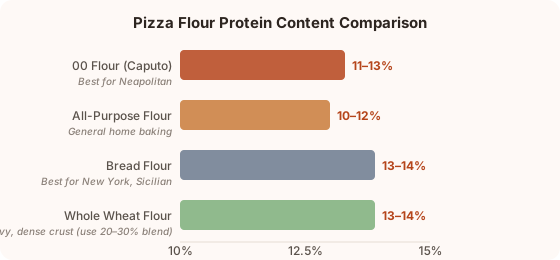
High-protein flour (13–14%) builds a strong, extensible gluten network. Great for doughs that need to hold a large shape under toppings and bake at moderate temperatures (New York, pan pizza). Lower-protein flour (11–12%) creates a more tender, delicate gluten network. Better for thin-crust styles that bake very quickly at very high temperatures (Neapolitan).
Protein content is typically listed on the nutrition label as "Protein: Xg per 30g serving." Divide by 30 and multiply by 100 to get the percentage.
00 Flour: The Neapolitan Standard
Italian 00 flour (Tipo 00) is named for its milling grade; the finest grind of wheat, finer than anything labeled "all-purpose" in the US. The 00 refers to the fineness, not the protein content. You can find both low-protein and high-protein 00 flours.
For pizza, look for pizza-specific 00 flour:
- Caputo Pizzeria (blue bag): 12.5% protein. The flour used by the majority of pizzerias in Naples. Produces smooth, extensible dough that stretches easily without snapping back and creates beautiful leopard-spotted char in a hot oven.
- Caputo Nuvola: 13% protein, designed for high-hydration, long-fermentation doughs. Good for pan styles and high-hydration Neapolitan.
- Antimo Caputo "00" Chef's Flour: 13% protein, slightly more elastic than Pizzeria.
The fine grind of 00 flour absorbs water differently than American flour; you'll often find that 00 flour doughs feel slightly tacky at the same hydration that works comfortably in bread flour. This is normal.
Best for: Neapolitan, Roman al Taglio, thin-crust styles. Pair with a pizza oven or steel + broiler technique.
Bread Flour: The New York Workhorse
American bread flour (13–14% protein) is the choice for New York-style pizza, Sicilian, and Detroit-style. The higher protein creates a stronger, chewier gluten network; exactly what you want for a large, foldable slice that holds up under a generous topping load.
Common bread flours:
- King Arthur Bread Flour: 12.7% protein. Consistent, widely available, and performs exceptionally well in pizza dough.
- Gold Medal Better for Bread: 12.6% protein. Similar performance, slightly lower cost.
- Bob's Red Mill Artisan Bread Flour: 13% protein. Good for high-hydration doughs.
Bread flour absorbs slightly more water than 00 flour. A formula at 63% hydration that works well with Caputo 00 might need 65–66% with bread flour to achieve the same dough consistency.
Best for: New York-style, Sicilian, Detroit, pan pizza. Works well in home ovens at 500–550°F.
All-Purpose Flour: The Substitute
All-purpose flour (10–12% protein, though this varies significantly by brand) is what most home cooks have on hand. It makes acceptable pizza dough; not as good as the alternatives, but perfectly serviceable.
The lower protein means less gluten development, so your crust will be more tender and less chewy than bread flour alternatives. At high heat, all-purpose dough can be quite good for thin-crust styles.
If you're using all-purpose flour:
- Add 1 teaspoon of vital wheat gluten per cup of flour to boost protein content by 1–2%
- Or blend 75% all-purpose with 25% bread flour for a middle-ground result
- Expect a slightly less chewy, more cracker-like result compared to bread flour
Best for: Home pizza when 00 or bread flour isn't available. General-purpose use across styles.
What About Whole Wheat Flour?
Whole wheat flour includes the bran and germ, which cut gluten strands and make the dough dense and harder to stretch. Straight whole wheat pizza dough is very challenging.
The practical approach: blend 20–30% whole wheat with 70–80% bread flour or 00 flour. This adds nutty flavor and some nutritional value without completely compromising the dough structure. King Arthur markets a white whole wheat flour that's milder in flavor and works better in blends.
Don't expect the same oven spring or extensibility from whole wheat blends; they're heavier doughs that benefit from higher hydration (66–70%) and longer fermentation.
Gluten-Free Flour: Different Chemistry
Gluten-free pizza dough uses rice flour, tapioca starch, or commercial GF blends. Without gluten, the dough behaves completely differently; it's more like a paste that you press into a pan rather than a dough you hand-stretch. This falls outside the scope of our pizza dough calculator, which is designed for wheat-based doughs using baker's percentages.
Practical Recommendations
Making your first Neapolitan: Get a bag of Caputo Pizzeria (blue bag). Don't substitute. The difference is significant enough to justify the cost.
Making New York-style: Use King Arthur Bread Flour. It's available at most grocery stores and produces consistently excellent results.
Testing a new formula: Use whatever flour you have. Get the technique right first, then invest in specialty flour once you understand what the dough should feel like.
For all these flour types, the baker's percentage math is the same; flour is still 100%, hydration is still expressed as a percentage of flour weight. Use the pizza dough calculator to get precise ingredient amounts regardless of flour type.
For more on how flour type interacts with hydration, see our pizza dough hydration guide. And for how flour affects different pizza styles, read the pizza styles dough guide. Our methodology and sources are explained on the about page.